

DUBAI/JERUSALEM: Iran and Israel said on June 8 that they had stopped attacking each other after U.S. President Donald Trump urged them to immediately "stop shooting."
However, Iran warned it would restart strikes if Israel continued attacking Hezbollah in Lebanon.
The attacks over the past 24 hours were the most direct clash between Iran and Israel since a ceasefire in April, raising fears that U.S. efforts to reach a peace deal with Iran could fail.
Oil prices, which had risen by up to five percent during the attacks, later fell back after Iran said its first wave of strikes on Israel had ended. The U.S. dollar also dropped from its recent highs. A source told Reuters that Israel had also decided to stop its attacks on Iran.
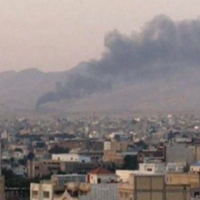
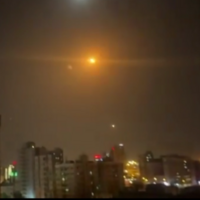
The violence began after Iran fired missiles at Israel late on June 7, in response to Israeli strikes on Hezbollah positions near Beirut. Israel then attacked targets in Iran, including a petrochemical plant in the southwest, which it said was linked to missile production. Iran's Revolutionary Guard said it hit a similar Israeli facility in Haifa in return.
Iran's military said it had given a "strong response" to Israel for its attacks in Lebanon, including strikes near Beirut. It added that its operations were now paused, but warned that if Israel continued its actions, especially in southern Lebanon, it would respond with even stronger attacks.
These developments have made it harder for Trump to push for an end to the war, which began on February 28 with U.S. and Israeli action against Iran. Although a ceasefire on April 8 had stopped full-scale fighting, tensions have continued in the region.
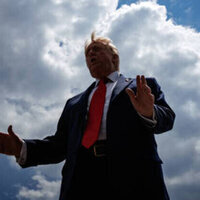
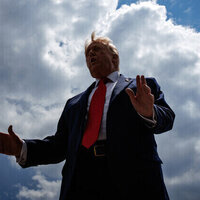
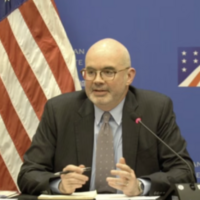
Trump said on social media that both sides wanted an immediate ceasefire and that peace talks were ongoing, though he warned they could fail due to "ignorance or stupidity." He also said that a U.S. blockade of Iranian ports would remain in effect until a final agreement is reached.
An Israeli official said Trump had spoken with Prime Minister Benjamin Netanyahu. Earlier, Israel's military said it was ready to continue operations for as long as needed and confirmed it had targeted Iran's rebuilt air defense systems as well as the petrochemical site.
Iranian officials also took a strong stance. A military source said Iran was ready for a long conflict and could restart attacks on U.S. interests in the region. A foreign ministry spokesperson said talks with the U.S. were taking place in an atmosphere of deep mistrust and accused Israel of trying to disrupt diplomacy through its actions in Lebanon.
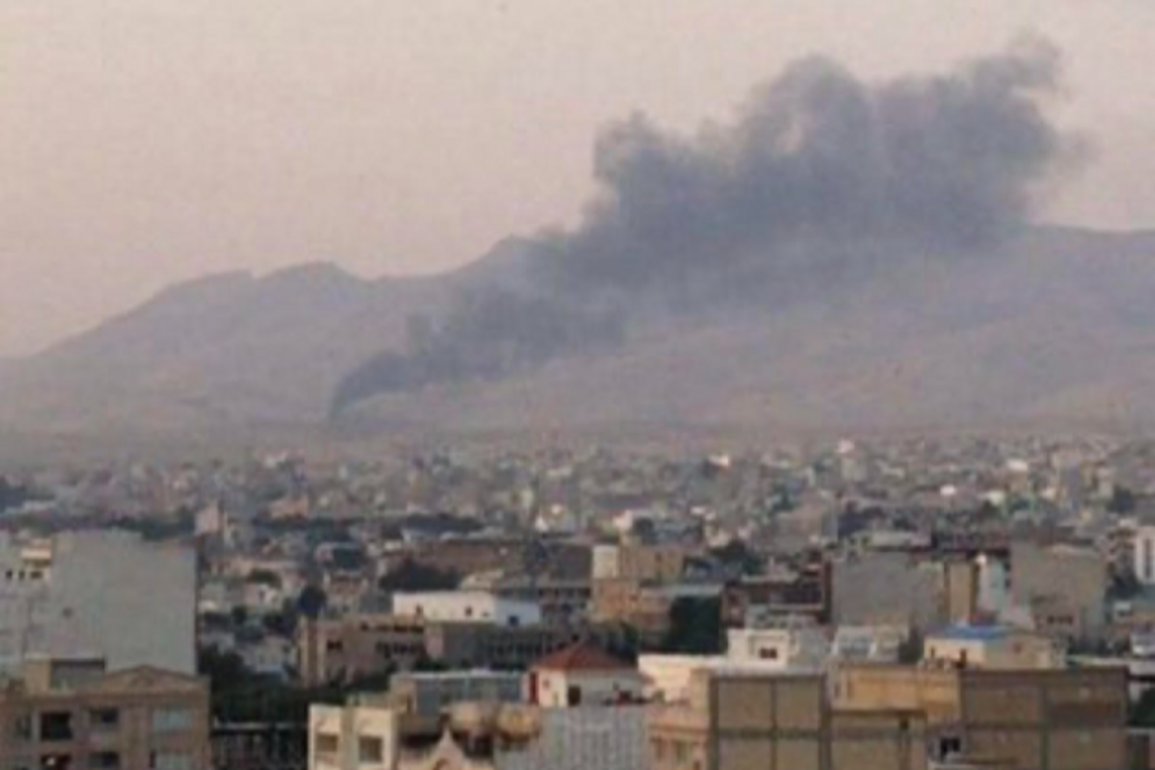
In Tehran, explosions were reported on June 8, and air defenses shot down a drone over the city, though no major damage or casualties were reported.
Yemen's Iran-backed Houthi group said it would block Israeli shipping in the Red Sea and claimed it had fired missiles at Israel. The Houthis control an important area near key oil routes, especially as Iran exerts influence over the Strait of Hormuz.
An Israeli military official said Iran had fired nearly 30 ballistic missiles at Israel since the evening of June 7, while the Houthis had launched two more.
Israel said it targeted facilities at the Mahshahr petrochemical complex that were linked to Iran's missile program, and Iranian officials confirmed parts of the site were damaged.
Iran's emergency services said 15 people were injured in the latest Israeli strikes, most of them in Mahshahr, but no deaths were reported. Israel's ambulance service also said there were no casualties from the missile attacks on its territory.