

NANYUKI, Kenya: On June 9, Kenyan police used tear gas to break up protesters in the central town of Nanyuki. The protesters were opposing a quarantine center for Americans exposed to Ebola that the U.S. government is quickly building, even though Kenyan courts have ordered work to stop.
The planned 50-bed facility on an air force base has angered many Kenyans. They say the United States is shifting the health risk of caring for people exposed to Ebola in eastern Democratic Republic of Congo and Uganda onto Kenya.
Last week, two people were killed during protests in Nanyuki. People there are becoming more frustrated as both Kenyan and U.S. officials continue to support the project despite the court orders.
On the morning of June 9, police again used tear gas to disperse small groups of protesters. One protester carried a white cross with the words "Respect Ebola" written in red.
The administration of U.S. President Donald Trump has said it "cannot and will not allow" Ebola cases to enter the United States. This is different from the 2014–2016 Ebola outbreak in West Africa, when some infected U.S. citizens were treated in the U.S.
The Nanyuki center is meant for Americans who have been exposed to the virus but do not yet show symptoms. If they become sick, they would be sent to other countries for treatment, according to U.S. officials.
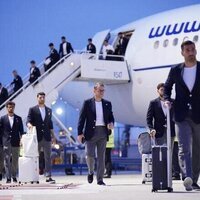
U.S. military planes have continued to deliver personnel and equipment even after court orders halted the project, according to U.S. and diplomatic sources and flight data. More aircraft are expected to arrive this week.
Satellite images seen by Reuters show more white tents being set up on about 0.046 square kilometers (11 acres) of cleared land at Laikipia Air Base since May 27.
The United States has said it is aware of the court case and is "working with the Kenyan government to resolve any objections."
Kenyan officials say the center could also be used for Kenyans and other foreign nationals, not just Americans, but U.S. officials have not confirmed this.
Meanwhile, doctors in the eastern Democratic Republic of Congo are struggling to get basic equipment needed to protect themselves and stop the disease from spreading, nearly a month into one of the largest Ebola outbreaks ever recorded. This is according to more than a dozen doctors, aid workers, and public health officials.
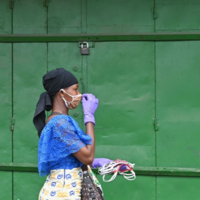
Even though major donors are increasing funding, the scale of the outbreak, reduced emergency stockpiles due to aid cuts, and logistical challenges have led to shortages and higher prices for personal protective equipment.
On June 9, the aid group International Rescue Committee warned that supplies of essential protective equipment could run out within days.
In North Kivu, one of the three affected provinces where more than 550 cases and 100 deaths have been confirmed, medical teams are close to running out of items like chlorine and often do not have enough equipment, such as boots, said Pablo Lwanzo Paluku, the chief doctor for the Butembo area.